Your team prompts AI all day. Your market strategy isn’t in the room.
You’re paying for AI to make your team faster—but when every employee prompts from a different version of your market, you pay the rework tax on off-market work.
Start with your company website.
Market contract
U.S. · B2B High-Growth SaaS
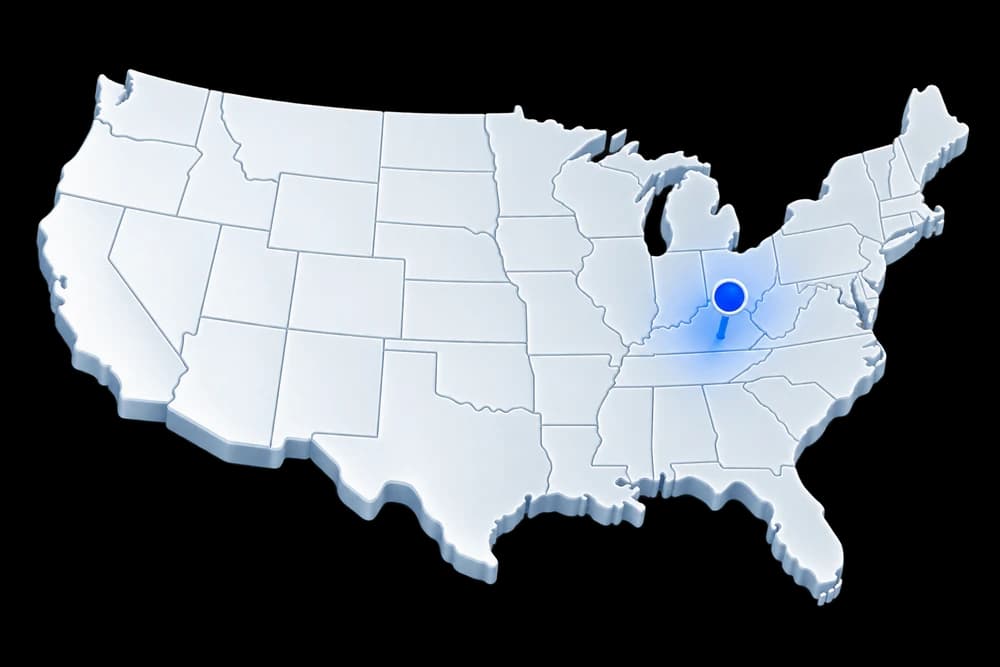
Illustrative market contract
 ChatGPT
 Claude
 Grok
Grok Gemini
The cost of drift
Individual AI speed is creating
organizational rework.
- 01 · Before the chat
Prompt sprawl
50 employees prompt from 50 different versions of your market, competitors, and buyer.
CIO & Deloitte AI Dossier - 02 · Inside the chat
39% average performance drop in a multi-turn study
The study compared simulated multi-turn conversations with fully specified single-turn prompts across six generation tasks. Models often struggled to recover from early mistaken assumptions in those conversations.
Microsoft Research & Salesforce - 03 · After the chat
The AI rework tax
Teams ship polished-looking specs and campaigns for adjacent markets—shifting hours of rework onto leadership.
Stanford & BetterUp Labs
Pin your market
and buyer context.
Nobody pastes a 10-page strategy deck into every chat. Pinning a Market Contract gives every employee and AI agent the same market boundary and buyer lens from the first prompt.
Bring the conversation
back on course.
Multi-turn AI chats overwrite their instructions and drift into adjacent-market advice. One click snaps the conversation back to your pinned Market Contract.
How it works
We map the dimensions.
You lock the focus.
Powered by our market-leading market mapping and buyer-dimension automation—from your website to a shared Market Contract in every AI chat.
- Step 01
Map your markets
Enter your website to map your markets, geographies, verticals, and competitive dimensions.
- Step 02
Set your buyer lenses
Select the buyer profile and dominant comparison dimensions your teams should prioritize.
- Step 03
Connect via MCP
Pin and refocus your Market Contract inside ChatGPT, Claude, and Cursor in one click.
Turn your strategy into a live MCP Market Contract.
Pin your market boundary and buyer lens once, and let every employee refocus any AI chat in one click.